Troubleshooting & Safety
What a Healthy Ferment Should Smell and Look Like
Sour, tangy, cloudy, bubbly — here's exactly what a healthy ferment looks and smells like, and what warning signs actually matter.
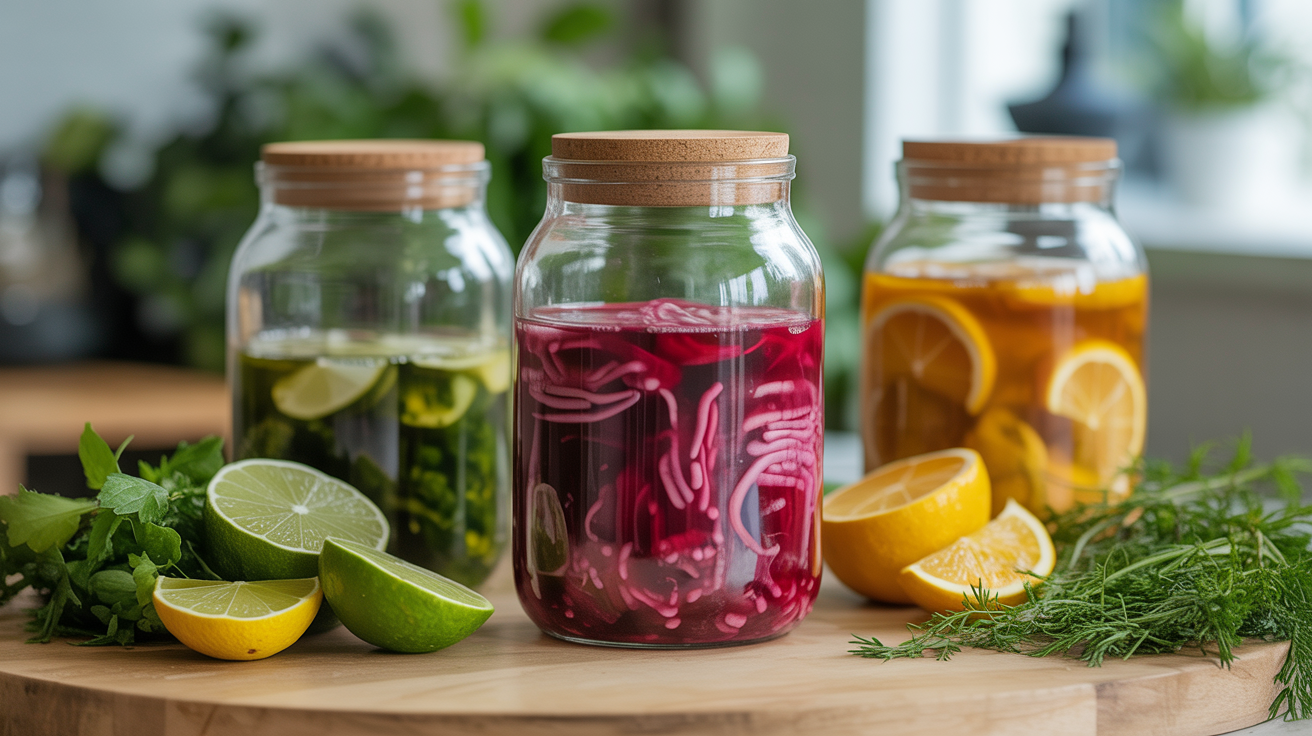
A healthy ferment smells sour, tangy, or yeasty, sometimes a little funky, and looks cloudy with visible bubbles. If you're peering into your jar wondering whether it's working or going wrong, the short answer is: sour and bubbly is good; rotten or fuzzy is not.
That distinction matters more than any single sign. Fermentation is a living process, and it looks and smells different at day two versus day ten. Once you know what to expect at each stage, you'll stop second-guessing every batch.
At a Glance
- Sour, tangy, yeasty, or earthy smells are normal. Putrid, sewage-like, or sharp chemical smells are not, and mean the batch should be discarded.
- Cloudy brine with a fine white sediment is fermentation working, not a defect. Mold, by contrast, grows in patches with visible texture, not as an even haze through the liquid.
- Brassicas (cabbage, radishes, beets) often smell faintly of sulfur or cooked egg for the first two to three days. That fades on its own as lactic acid bacteria take over.
- Bubbling that slows after several active days means the ferment has passed its peak, not that it failed.
- Brown strands under a kombucha SCOBY are yeast, not mold. Fuzzy colored growth (black, green, or pink) is mold, and that batch goes in the trash.
- When in doubt, trust your nose first. Smell is a more reliable early-warning system than appearance alone.
What a Healthy Ferment Smells Like

Smell is your most reliable tool. Ferments that are progressing well have a distinctly food smell, sharp, sour, and appetizing once you're used to it. The exact character depends on what you're fermenting.
Sour and tangy (the baseline)
Lactic acid ferments, sauerkraut, kimchi, pickles, kvass, produce lactic acid as bacteria consume sugars. The result is a clean sour smell, similar to plain yogurt or a good sourdough starter. It should make your mouth water, not turn your stomach.
Yeasty and bread-like
Sourdough starters and water kefir develop a pronounced yeasty note alongside the sourness. A mature starter might smell like beer, wine, or fresh bread. That's carbon dioxide and ethanol from wild yeast at work, which is exactly the point.
Earthy and funky (for some ferments)
Certain vegetables, cabbage, beets, radishes, release sulfur compounds early in fermentation. For the first two or three days, your sauerkraut may smell like cooked cabbage or faintly like eggs. This fades as the beneficial bacteria dominate. It is not a sign of spoilage; it's chemistry.
Kombucha has its own profile: slightly vinegary, a little sweet, sometimes faintly musty from the SCOBY. A SCOBY that smells powerfully of vinegar just means the batch fermented longer than usual, tart but not ruined.
What a rotten smell actually is
A rotten or putrid smell is unmistakable. It's the smell of decay: garbage, sewage, or rancid meat. No amount of sourness can mask it. If your ferment smells like that, discard it. The same goes for a sharp chemical or solvent smell, which can indicate contamination by unwanted microbes.
The key distinction: sour and funky is normal. Putrid and foul is not.
What a Healthy Ferment Looks Like
Visual cues confirm what your nose already suspects. Healthy ferments share a few consistent appearances.
Cloudy brine
Clear brine turning milky or cloudy is one of the most reliable signs that fermentation is underway. The cloudiness comes from lactic acid bacteria multiplying throughout the liquid. You might also see a fine white sediment at the bottom of the jar, that's dead bacteria, harmless and expected.
Don't mistake cloudiness for mold. Mold grows on surfaces and has texture. Cloudy brine is uniform throughout the liquid and has none.
There's a second, unrelated cause of cloudy or discolored brine worth ruling out: additives in your salt. According to the National Center for Home Food Preservation's general fermenting guidance, noncaking agents in table salt and iodine in iodized salt can make brine cloudy or discolored on their own, independent of fermentation activity. If your brine went cloudy the moment you added salt, before any bubbling started, check your salt box. Switch to canning, pickling, or non-iodized kosher salt for the next batch.
Bubbles
Gas bubbles rising through the brine, or collecting under a jar lid, mean active fermentation. You might see a slow stream of tiny bubbles from the vegetables, or a foam forming on top of a sourdough starter. On a cooler day the activity slows; on a warm day it speeds up. Both are normal.
A batch that was very bubbly for several days and then quiets down has not failed, it has likely finished its most active phase.
Softened color and texture
Vegetables in a ferment lose their raw crispness over time. Cabbage goes from bright white to a pale, slightly translucent cream. Carrots soften. Cucumbers may wrinkle slightly. The color shift is normal oxidation and lactic acid activity, not rot.
The exception: vegetables that were floating above the brine and exposed to air can discolor more dramatically. Keep produce submerged to avoid this.
There's a firmer line between "normal soft" and "problem soft." The NCHFP's troubleshooting guide for fermented pickles traces slippery or mushy pickles specifically to weak brine concentration, too little brine to fully cover the vegetables, or fermenting at too high a temperature. Gradual, even softening over a week or two is expected. A batch that turns slimy within the first day or two, especially alongside a foul smell, points to one of those three causes rather than normal fermentation, and the guide's fix in each case is the same: measure your salt by weight, keep everything submerged, and hold the jar closer to 65 to 75°F (18 to 24°C) if your kitchen runs hot.
A SCOBY's normal quirks
Kombucha SCOBYs confuse a lot of beginners. Brown strands hanging beneath the culture are yeast strands, not mold. They're normal and beneficial. A new "baby" SCOBY may be thin, uneven, or have holes, all fine. The surface of a healthy SCOBY ranges from cream to tan to light brown.
What you don't want: fuzzy growth on the SCOBY surface, especially black, green, or pink fuzz. That is mold and the batch should be discarded. For more on telling the difference, see kahm yeast vs mold: how to tell the difference.
How Smell and Appearance Change Over Time
A ferment on day two looks and smells very different from one on day twelve. Understanding that arc keeps you from discarding a healthy batch too early.
Early stage (days 1-3)
Activity is just starting. The brine may still be mostly clear. Smells can be mild, or (for brassicas) sulfur-forward. You may see tiny bubbles just beginning to form. Nothing dramatic yet.
Active stage (days 3-7 for most room-temp ferments)
This is when things get interesting. Brine clouds up, bubbles become visible, and the sour smell sharpens. A lid on a non-airlock jar may bulge slightly from CO2 pressure, burp it daily.
Mellowing stage (day 7 onward)
Bubbling slows. The sourness deepens and rounds out. The smell shifts from sharp to complex. Brine stays cloudy. Some ferments (kimchi, sauerkraut) continue improving for weeks or months in the fridge at this stage.
Day-by-Day Reference: What You Should Notice
| Day | Smell | Brine | Bubbles | Texture |
|---|---|---|---|---|
| 1-2 | Mild, or sulfur-forward on cabbage | Mostly clear | None to faint | Still raw and crisp |
| 3-4 | Sour notes begin | Starting to cloud | Occasional bubbles | Slight softening |
| 5-7 | Sharp, clean sour | Fully cloudy | Active, visible stream | Noticeably softer |
| 8-14 | Rounder, less sharp | Cloudy, stable | Slowing down | Tender, some translucency |
| 14+ (fridge) | Complex, mellow | Cloudy, settles on standing | Minimal | Continues to soften slowly |
Use this as a guide, not a rulebook. Salt percentage, room temperature, and the vegetable itself all shift the timeline by a day or two in either direction.
Ferment-by-Ferment Quick Reference
| Ferment | Normal smell | Normal look |
|---|---|---|
| Sauerkraut | Sour, tangy; faint sulfur early | Cloudy brine, pale/translucent cabbage |
| Kimchi | Sour, garlicky, spicy, pungent | Red-tinged cloudy brine, softened veg |
| Lacto pickles | Tangy, dill, faintly briny | Cloudy brine, slight wrinkling on skins |
| Sourdough starter | Sour, yeasty, beer-like | Bubbly, airy, stringy when ripe |
| Kombucha | Vinegary, slightly sweet, faintly musty | Brown yeast strands, layered SCOBY |
| Water kefir | Mildly sour, lightly yeasty | Slightly cloudy, grains plump and glassy |
| Beet kvass | Earthy, sour, mineral | Deep ruby, mildly cloudy |
Frequently Asked Questions
Does fermentation always smell bad?
No. A better framing: fermentation smells strong, not bad. The sour and funky notes that surprise first-timers are the same acids and esters that make sourdough bread, aged cheese, and wine appealing. After a few batches, most people find the smell pleasant. A truly bad smell, putrid, rotten, like garbage, is distinct and unmistakable.
Why does my sauerkraut smell like eggs?
Sulfur-containing compounds are released when cabbage ferments. The eggy note is most pronounced in the first two or three days and then fades as lactic acid bacteria establish dominance. It's normal, and it will pass. If the egg smell intensifies after the first few days rather than fading, check that your cabbage is fully submerged and no mold is present.
Is white stuff floating in my brine dangerous?
Probably not. A thin white film on the surface is almost certainly kahm yeast, a harmless surface yeast that is common in low-salt or warm-environment ferments. It looks flat and matte, not fuzzy. You can skim it off and eat the ferment underneath. Fuzzy growth with any color (white can be tricky) warrants closer inspection; use the guide at is my ferment safe to eat: a beginner's checklist to evaluate.
My sauerkraut has gone soft and slimy. Is it ruined?
Sliminess usually comes from fermenting too warm, using too little salt, or letting air reach the vegetables. It's a texture issue more than a safety one in mild cases, but a very slimy batch that also smells off should be discarded. See why is my sauerkraut slimy or soft for the specific causes and how to prevent them next time.
How do I know when a ferment is done?
Taste it. A ferment is done when it tastes the way you want it to: pleasantly sour, with depth of flavor and no raw edge. There's no single number of days. Variables like salt percentage, temperature, and the natural bacteria on your produce all affect the timeline. Start tasting at day five for quick pickles or day seven for sauerkraut, and go from there.
Why does my jar smell much stronger the moment I open it than it did the day before?
That's normal, and it's mostly about trapped gas, not a change in the ferment itself. CO2 and volatile aroma compounds build up in the headspace under a closed lid, so the first whiff when you crack it open is more concentrated than the ambient smell around an open jar. Give it a few seconds after opening before you judge the smell; it usually settles into the same sour, tangy character you'd expect for that stage.
My kombucha is fizzier than usual. Did something go wrong?
Not necessarily. Extra fizz usually means either a longer first ferment (more sugar converted, more CO2 available) or a warmer room during a bottled second ferment. It becomes a problem only if the bottle feels rock-hard to the touch or the cap won't budge under gentle pressure, both signs of too much pressure buildup. Chill the bottle and open it slowly over a sink if that happens. Fizzy but easy to open is just a well-carbonated batch.