Cultured Dairy
Best Milk for Making Yogurt and Kefir
Which milk makes the best homemade yogurt and kefir? How fat content, pasteurization, and raw milk each affect your batch, with food-safety guidance.
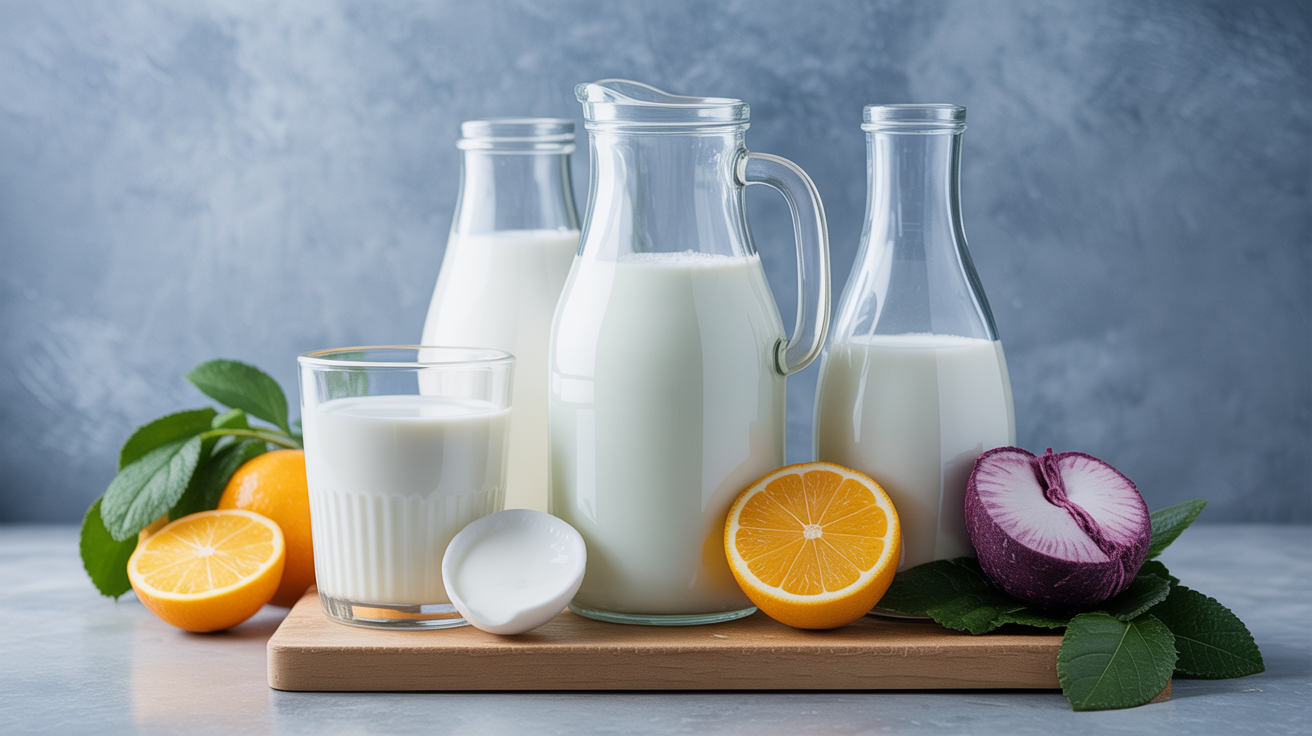
The milk you start with shapes everything about homemade yogurt and kefir: how thick it sets, how tangy it tastes, and whether your culture has the food it needs to thrive. The short answer is whole cow's milk that has been conventionally pasteurized (not ultra-high-temperature, or UHT). But there are good reasons to understand the nuances, especially if you're working with raw milk, lower-fat options, or plant-based alternatives.
Cultured dairy is among the safest things you can make at home when you use the right milk and follow tested methods. That said, fermented dairy still requires more care than, say, a jar of sauerkraut. You're working with a product that can support the growth of harmful bacteria if the culture doesn't get established quickly. Starting with the right milk takes a lot of that risk off the table.
Why Whole Milk Produces the Best Results
Fat is a structural component in both yogurt and kefir. In yogurt, fat coats the protein network that forms during fermentation, making the final texture creamier and less prone to weeping (the thin liquid that pools on top when the gel contracts). In kefir, a higher fat percentage gives the finished drink a rounder, less sharp flavor.
Whole milk typically runs around 3.25% fat. That fat percentage isn't just about richness; it also means more protein per cup compared to reduced-fat or skim options, and protein is what your culture bacteria consume and transform into lactic acid.
Keep your incubation temperatures in range for the culture you're using:
- Yogurt cultures are most active between 105 and 115°F (40 to 46°C).
- Kefir grains prefer cooler conditions, usually 68 to 78°F (20 to 26°C), which is why kefir is typically cultured at room temperature rather than in a warm oven.
For a step-by-step walkthrough on getting yogurt right from the start, see How to Make Homemade Yogurt: A Complete Beginner's Guide.
Pasteurized vs. Ultra-Pasteurized: A Critical Difference
Regular pasteurized milk is heated to around 161°F (72°C) for 15 seconds. This kills pathogens while leaving most of the milk proteins structurally intact. That intact protein structure is what allows yogurt to gel into a spoonable consistency.
Ultra-pasteurized (UP) or ultra-high-temperature (UHT) milk is heated to 275°F (135°C) or above for a few seconds. This gives it a longer shelf life, but it also denatures the whey proteins in a way that can prevent yogurt from setting. If you've ever made a batch of yogurt that stayed perpetually runny, ultra-pasteurized milk is a common culprit.
How to spot it: ultra-pasteurized milk typically says "UHT" or "ultra-pasteurized" on the label. Most organic milk sold in the US is ultra-pasteurized (the extra heat extends shelf life for brands with smaller distribution networks), so check labels carefully if you're buying organic.
Kefir grains are more forgiving here. Many people ferment UHT milk with kefir grains successfully, though the grains can become sluggish over time. If you want to use UHT milk for kefir, alternate it with conventional pasteurized milk every few batches to keep your grains healthy. See How to Make Milk Kefir from Grains for a full guide on grain care and maintenance.
Raw Milk: What Beginners Need to Know
Raw milk has never been pasteurized, which means it contains the full spectrum of naturally occurring bacteria, including potentially harmful ones like Listeria, E. coli, and Salmonella. Fermentation with a strong, fast-moving culture can outcompete those organisms and produce a safe, acidic product. But for beginners, the margin for error is narrower than with pasteurized milk.
A few things to understand if you decide to try raw milk:
- Source matters. Raw milk from a licensed, tested dairy is not the same risk profile as milk from an unregulated source. Know where your milk comes from.
- Fresh is required. Use raw milk within 24 to 48 hours of milking. Older raw milk has had time for any pathogens present to multiply.
- Fast acidification is your safety net. Both yogurt and kefir protect themselves through rapid pH drop. Yogurt should become noticeably tangy during incubation (reaching a pH below 4.6). If your finished product smells rotten rather than sour, discard it without tasting.
- Extra caution for vulnerable people. Raw milk ferments are not appropriate for anyone pregnant, very young, elderly, or immunocompromised. This is a genuine food-safety guideline, not just fine print.
Raw milk yogurt often has a softer, more complex flavor than yogurt made from pasteurized milk. Some fermenters find that raw milk kefir cultures faster because native bacteria give the grains a head start. Whether those qualities are worth the additional care is a personal decision.
How Fat Content Changes Your Finished Product
Here is a practical comparison of how different fat percentages behave in yogurt and kefir:
| Milk Type | Fat % | Yogurt Result | Kefir Result |
|---|---|---|---|
| Whole milk | ~3.25% | Thick, creamy, minimal whey | Rich, smooth, tangy |
| 2% reduced-fat | ~2% | Set but thinner, more whey | Lighter body, slightly sharper |
| 1% low-fat | ~1% | Pourable consistency, significant whey | Thin, quite tart |
| Skim / nonfat | ~0% | Watery unless enriched with powdered milk | Very tart and thin |
| Full-fat coconut milk | 15-18% | Very thick, dense, strong coconut flavor | Thick and mild |
If you want Greek-style yogurt from lower-fat milk, add 2 to 3 tablespoons of dried skim milk powder per quart before heating. This boosts the protein level and helps the yogurt set more firmly without changing the flavor much.
If your yogurt consistently comes out too thin even when you use whole milk, the problem is usually incubation temperature rather than milk type. Check out Why Your Homemade Yogurt Won't Set and How to Fix It for a systematic troubleshooting guide.
Plant-Based Milks for Yogurt and Kefir
Most dairy-free milks are low in protein compared to cow's milk, which means they don't gel the same way. Here is what works and what doesn't:
Soy milk is the best plant-based option for yogurt by a wide margin. Full-fat soy milk contains 7 to 9 grams of protein per cup (close to cow's milk) and will set into a recognizable yogurt with a standard thermophilic culture. Use unsweetened, plain soy milk without added thickeners for the most predictable results.
Full-fat canned coconut milk sets well because of its fat content, not its protein. The texture is thick and rich but distinctly coconut-flavored. It works for kefir grains in a pinch, though grains prefer cow's milk for long-term health and should be refreshed in cow's milk after every few batches.
Oat milk is naturally sweet and accessible, but too low in protein to set on its own. It can still ferment and become pleasantly sour, but don't expect a spoonable consistency without added starch (tapioca or arrowroot).
Almond, rice, and cashew milks are low in both protein and fat. These will sour but won't set without significant additions. Not a good starting point if you're still learning what good yogurt should look and feel like.
A note on kefir grains and plant-based milks: milk kefir grains are living colonies that evolved to digest lactose. They can ferment plant-based milks, but they need periodic cycles in whole cow's milk to stay healthy over the long term. Water kefir grains are a better fit if you want a fully dairy-free setup.
Frequently Asked Questions
Can I use lactose-free milk to make yogurt or kefir? Yes. Lactose-free milk is regular cow's milk with the enzyme lactase added, which breaks lactose into glucose and galactose before you buy it. Your culture bacteria can still ferment those simpler sugars. The result is often slightly sweeter than standard yogurt. Fat content matters just as it does with regular milk, so choose a lactose-free whole milk for the best set.
Does organic milk make better yogurt? Not necessarily. Most organic cow's milk in the US is ultra-pasteurized, which is actually a disadvantage for yogurt (see the section above). If you prefer organic dairy, look specifically for brands labeled "pasteurized" rather than "ultra-pasteurized."
My yogurt set, but there's liquid on top. What is it? That liquid is whey, and it's completely normal. It separates when the protein gel contracts slightly during or after incubation. You can stir it back in or pour it off. If you pour it off, you're effectively making Greek-style yogurt. Whey is not a sign of spoilage.
Is it safe to use milk that's a day or two past the sell-by date? The sell-by date is about freshness for drinking, not a strict safety cutoff. For yogurt and kefir, fresher milk gives your culture a cleaner environment to work in. Use milk that smells clean. If the milk already smells sour before you start, unwanted bacteria have gotten a head start, and the safest choice is a fresh carton.
How do I know if my finished yogurt or kefir has gone bad? A healthy ferment smells cleanly sour, like mild yogurt or tangy buttermilk. Signs that something has gone wrong include a rotten or off smell (not just sour), pink or orange discoloration, and fuzzy mold growth. A thin white film on kefir can be kahm yeast, which is generally harmless and can be skimmed off. When in doubt, throw it out.