Cultured Dairy
How to Make Homemade Yogurt: A Complete Beginner's Guide
Learn how to make yogurt at home with just milk and a spoonful of starter. No machine needed. Step-by-step temps, incubation methods, and troubleshooting.
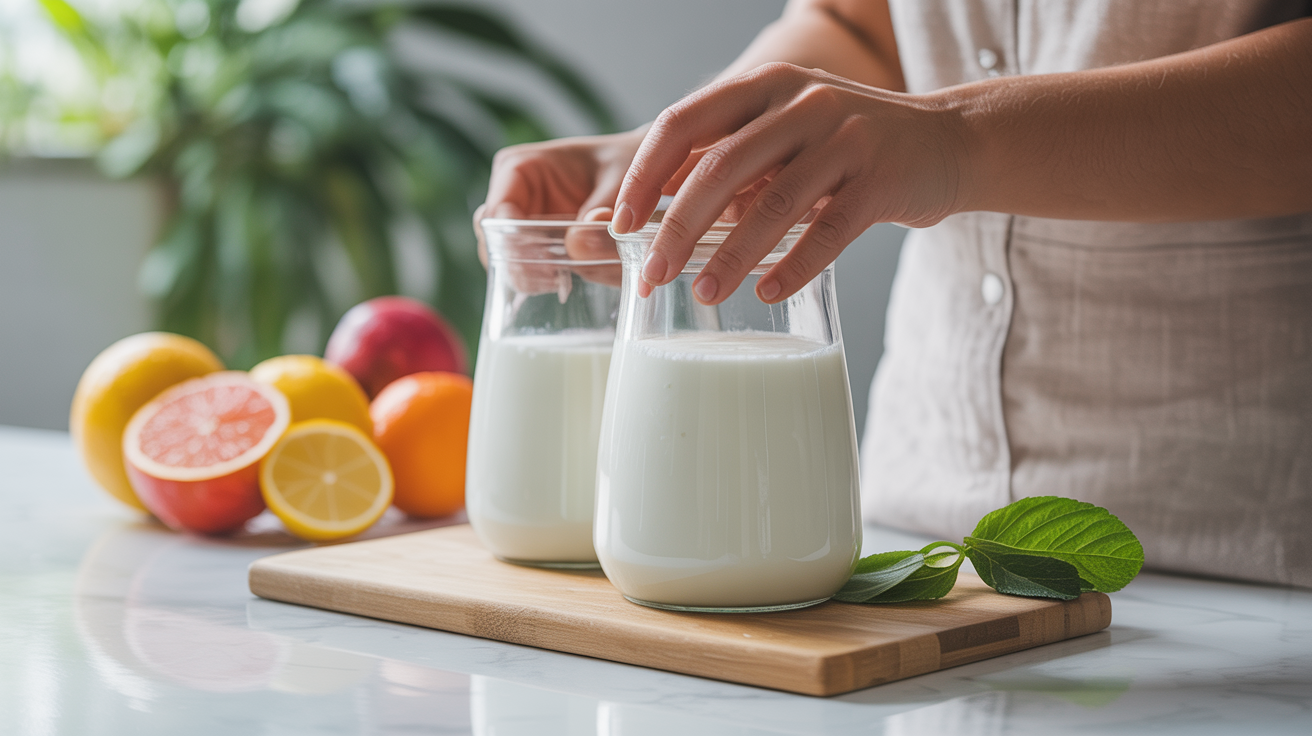
Making yogurt at home takes about 20 minutes of active work, then a long hands-off wait while bacteria do the rest. The result is thicker, fresher, and cheaper than most store-bought options, and you control exactly what goes in it. If you can heat milk and keep it warm for a few hours, you can make yogurt.
At a Glance
- Heat milk to 180°F (82°C), cool to 100-110°F (38-43°C), add starter, then hold warm for 6-12 hours.
- Longer incubation means tangier and firmer yogurt; 7-8 hours gives a mild result, 10-12 gives a sharp one.
- You don't need a yogurt maker; an oven light, insulated cooler, multicooker, or heating pad all hold steady heat.
- Straining plain yogurt through cheesecloth for an hour or more turns it Greek-style.
- Save 2-3 tablespoons of each batch as starter for the next; refresh with store-bought after 4-5 generations.
- Homemade yogurt keeps about 2 weeks refrigerated and has no stabilizers, so some whey separation is normal.
What You Need Before You Start
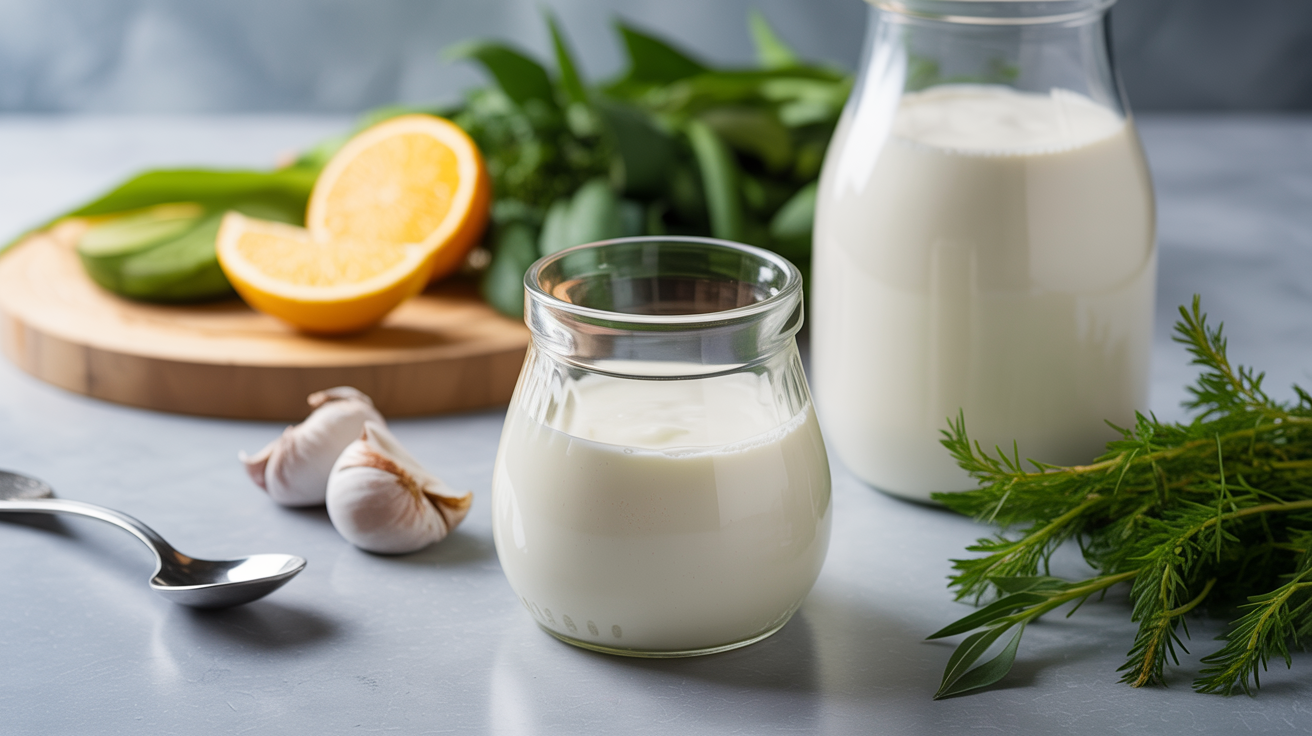
Milk: Whole milk produces the richest, creamiest yogurt. 2% works fine. Skim milk yields a thinner, slightly sour result, though you can strain it to compensate. Ultra-pasteurized (UHT) milk is trickier because the heat treatment changes the protein structure; use regular pasteurized milk when possible. Using pasteurized milk in the first place matters for more than convenience: the US FDA requires yogurt to be made from pasteurized milk, and separately, the heating step you'll do at home reinforces that safety margin, since unpasteurized dairy is disproportionately linked to foodborne illness relative to how rarely people drink it.
Starter culture: You need plain yogurt containing live, active cultures. Check the label for "live and active cultures" or a Lactobacillus strain listing. Two to three tablespoons per quart of milk is plenty. Greek yogurt works as a starter too, though its cultures can be slower to activate. Commercial yogurt is standardized around two specific bacteria, Lactobacillus delbrueckii subsp. bulgaricus and Streptococcus thermophilus, working together, and that same pairing is what you're propagating every time you save starter from a batch.
Equipment: A heavy-bottomed pot, a thermometer (instant-read or candy), a clean whisk, and one or two glass jars or a ceramic bowl with a lid. That's it.
Clean your equipment with hot soapy water and rinse well. You don't need to sterilize, but residual soap can inhibit the cultures, so rinse thoroughly.
How to Make Yogurt at Home: The Full Method
The process has five distinct steps. Read through all of them before you start.
-
Pour milk into your pot. Use a quart (about 1 liter) for a first batch. A heavy pot holds heat more evenly.
-
Heat the milk to 180°F (82°C). Stir occasionally to prevent scorching. This temperature denatures the whey proteins, which helps the finished yogurt set up firmer. It also kills any competing bacteria. You don't need to hold this temp for long, just bring it up and watch for small bubbles around the edges and steam rising from the surface.
-
Cool the milk to 110°F (43°C). This is the most important step. If the milk is too hot when you add the starter, the heat kills your cultures and nothing sets. If it's too cool, fermentation stalls. The target range is 100-110°F (38-43°C), which lines up with the natural range most yogurt cultures ferment in, roughly 86-113°F (30-45°C), with the lower end of your target giving the bacteria comfortable headroom rather than pushing the upper limit. To cool faster, set the pot in a sink of cold water and stir. An ice bath speeds this up considerably.
-
Whisk in your starter. Scoop 2-3 tablespoons of your live-culture yogurt into a small bowl. Add a ladle of the warm milk and whisk until smooth, then pour that mixture back into the pot. This prevents clumping.
-
Transfer to jars and incubate. Pour the inoculated milk into your clean containers. Cover them, then keep them at roughly 100-110°F (38-43°C) for 6-12 hours undisturbed. The longer you incubate, the tangier and firmer the result. A mild, creamy yogurt is usually done around 7-8 hours; a more sour batch needs 10-12.
-
Refrigerate. Once the yogurt has set (it should jiggle as one cohesive mass, not slosh), move it to the fridge for at least 2 hours before eating. Cold stops fermentation and firms up the texture further.
Incubation Time vs. Flavor Reference
| Incubation Time | Flavor | Texture | Best For |
|---|---|---|---|
| 6-7 hours | Mild, slightly sweet | Softer set | Kids, plain eating |
| 7-8 hours | Balanced, lightly tangy | Firm set | Everyday use, all-purpose |
| 9-10 hours | Noticeably tangy | Firm, slightly thicker | Cooking, dressings |
| 11-12 hours | Sharp, distinctly sour | Firmest, may show more whey | Straining into Greek-style |
How to Tell If It's Set
Tilt the jar gently. If the yogurt holds its shape and pulls away from the side cleanly, it's done. If it's still liquid or watery on top with no set underneath, give it another hour and check again. Small pools of liquid (whey) on the surface are completely normal.
How to Incubate Yogurt Without a Machine
Consistent warmth is the only requirement. Here are four methods that work reliably.
Oven with the Light On
Turn on only the oven light (no heat). Set your jars inside, close the door, and leave them. Most oven lights hold the interior around 100-110°F. Check with a thermometer before committing to this method, since some lights run hotter. This is probably the easiest no-equipment option.
Insulated Cooler
Boil a couple of cups of water and pour it into the cooler to pre-warm it, then pour it out. Put your jars in, wrap them in a kitchen towel, and close the lid. The insulation holds the heat for 8-10 hours easily. A small jar of hot water set next to the yogurt jars extends warmth further.
Instant Pot or Multicooker
If you own one, use the Yogurt function set to Normal (not Boil). It holds exactly the right temperature and requires zero monitoring. Some models even let you set a timer.
Heating Pad
Set a heating pad to low, lay a folded towel on top, then place your jars on the towel (the towel prevents direct contact with the heating element). Drape another towel over the jars. This setup holds a reliable 105°F for hours.
Straining for Thickness
Plain homemade yogurt is softer than Greek-style. To thicken it, strain out the whey.
Line a colander with a few layers of cheesecloth or a clean thin kitchen towel. Set it over a bowl. Spoon in your finished yogurt and refrigerate for 1-2 hours for a thick, spoonable consistency, or 4-6 hours for something closer to cream cheese.
The liquid that drains off is whey. It's protein-rich and slightly sour. Add it to smoothies, use it in bread dough, or add it to soups. Don't pour it down the drain.
For a detailed walkthrough of the straining process specifically, see How to Make Greek Yogurt by Straining.
Saving Starter for Your Next Batch
Reserve 2-3 tablespoons of your finished yogurt before you eat it. Kept in a small clean jar in the fridge, it stays viable as a starter for about 1-2 weeks. Label it so you don't accidentally eat it.
After 4-5 generations of using your own yogurt as starter, the culture can weaken and the yogurt may not set as firmly. When that happens, just grab a fresh container of store-bought live-culture yogurt and start again. Some fermenters maintain cultures for much longer, but for practical home batches, refreshing every few weeks is simpler.
If you enjoy culturing dairy and want to try something with a different texture and flavor profile, How to Make Milk Kefir from Grains covers a complementary process that ferments at room temperature without incubation.
Troubleshooting Common Problems
Yogurt is forgiving, but a few things can go wrong. Before you troubleshoot, check the obvious: did your starter have genuinely live cultures? Was your thermometer accurate?
If your yogurt is completely liquid after 12 hours, the most common cause is starter that was added to milk that was too hot, or starter that was already dead (old yogurt, or yogurt that had been frozen without the right glycerol-based cryoprotectant). Start over with fresh starter and double-check your temps.
If it's grainy or separated badly, the milk got too hot during incubation, or the yogurt was stirred while it was setting. Incubation needs to be undisturbed.
A thin, runny result that's otherwise tangy and set is usually just under-strained yogurt from low-fat milk, or a batch that didn't incubate quite long enough. Strain it or add an extra hour next time.
For a full breakdown of what goes wrong and how to fix it, Why Your Homemade Yogurt Won't Set and How to Fix It covers every common scenario.
Food Safety Notes
Yogurt is a fermented, acidic product, which makes it fairly resistant to spoilage. That said, a few basics matter.
Use milk before its expiration date. Clean equipment reduces the risk of off flavors and mold. Refrigerate finished yogurt promptly and use it within 2 weeks. If you see pink, orange, or black mold, or if it smells off (not just sour), discard the batch.
Avoid contaminating your starter jar by always using a clean spoon to scoop from it.
Pasteurization is a bigger safety factor here than most home fermenters realize. Unlike vegetable fermenting, where the finished product's own acidity does most of the safety work, dairy starts as a food that can carry dangerous pathogens before you ever add a culture. Historically, that risk was severe: unpasteurized milk was tied to roughly 65,000 tuberculosis deaths in England and Wales between 1912 and 1937 alone, which is part of why pasteurization became standard practice and why home yogurt-making always starts with pasteurized milk, heated again before culturing, rather than raw milk straight from the source.
Frequently Asked Questions
Can I use plant-based milk to make yogurt?
Yes, with caveats. Oat, soy, and coconut milks can all be cultured, but they lack the casein proteins that give dairy yogurt its firm structure. You'll typically need to add a thickener (agar, tapioca starch, or pectin) and use a starter specifically suited to plant milks. The technique differs enough that it deserves its own guide.
My yogurt is very sour. Did something go wrong?
No. Sourness develops from lactic acid produced by the bacteria over time. A batch that incubated for 12 hours will be sharper than one pulled at 7. Next time, taste a small spoonful at 7-8 hours and stop incubation when the flavor is where you want it.
Do I have to heat the milk first? Can I skip that step?
Technically you can make raw-milk yogurt without heating, though the set is less predictable and the process carries more food safety complexity. For pasteurized milk, heating to 180°F (82°C) is a short step that meaningfully improves texture and safety. Skipping it is not worth the tradeoff.
How long does homemade yogurt keep?
About 2 weeks in the fridge. Because there are no stabilizers or preservatives, it may begin to separate (whey pooling on top) after the first week. That's normal. Stir it back in or drain it off.
Can I flavor yogurt before incubating?
It's better to flavor after. Fruit, honey, and sugar added before incubation can interfere with the cultures or introduce competing organisms. Stir in flavorings once the yogurt has set and been refrigerated.
Why does commercial yogurt seem so much more consistent than mine?
Commercial producers work to defined standards, some countries even set a minimum bacterial count per milliliter for a product to legally be called yogurt, and they control milk fat, culture ratios, and incubation temperature far more precisely than a home kitchen can. Batch-to-batch variation at home is normal, not a sign you're doing something wrong. A thermometer and a consistent incubation method are the two things that will tighten up your own results the most.