Kombucha & Drinks
How Much Caffeine and Alcohol Is in Homemade Kombucha?
Learn typical alcohol and caffeine levels in homemade kombucha, what drives them higher, and who should be cautious before drinking home-brewed batches.
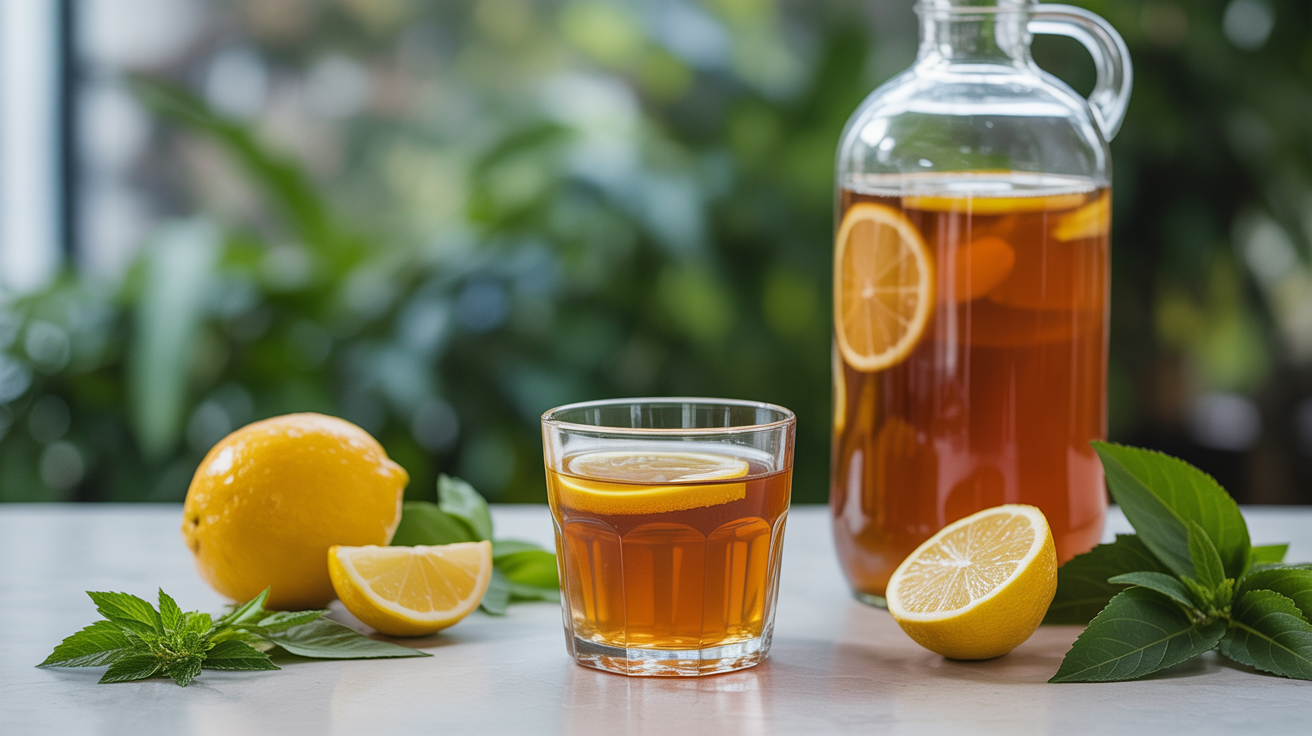
Homemade kombucha contains both alcohol and caffeine, and the amounts are higher than many new brewers expect. Commercial bottles sold in grocery stores are regulated to stay below 0.5% ABV so they can sit on the non-alcoholic beverage shelf. Homemade batches have no such cap, and depending on how long you ferment and how warm your kitchen runs, the alcohol content can climb well above that threshold.
If you are pregnant, avoid alcohol for any reason, or are sensitive to caffeine, this is worth understanding before you start a batch. The good news is that with a bit of attention to time and temperature, you have real control over where your brew lands.
How Kombucha Produces Alcohol in the First Place
The yeast living inside your SCOBY consumes the sugar you add to sweet tea and converts it into carbon dioxide and ethanol. This is the same basic process that happens in beer and wine. In kombucha, the bacteria in the SCOBY then convert much of that ethanol into acetic acid, which is what gives kombucha its tang.
The result is that alcohol is always being made and then partly consumed. The balance between those two processes determines how much alcohol ends up in your finished brew. Yeast activity is strongly influenced by temperature and time, while bacterial conversion depends on acidity and how well your culture is established. These are not independent dials you can turn one at a time; they interact, which is why alcohol levels in homemade kombucha vary so much from batch to batch.
Typical Alcohol Ranges: Homemade vs. Commercial
Commercial kombucha sold as a non-alcoholic beverage is required to stay under 0.5% ABV. Some brands do a second fermentation and then halt it carefully, or filter out the yeast, to stay within that limit.
Homemade kombucha is a different story. Most first-fermentation batches brewed at typical room temperature (68 to 78 degrees F / 20 to 26 degrees C) for 7 to 14 days land somewhere in the range of 0.5% to 3% ABV. Some batches can go higher. That range overlaps with light beers, which tend to sit around 2.5% to 4% ABV.
There is no way to measure your home batch's exact alcohol content without a refractometer, a hydrometer, or lab testing, so general ranges are the most honest thing to share here. The important takeaway is that the kombucha alcohol content in a homemade jar is genuinely unknown, and it can be meaningfully higher than the commercial bottles you may be used to.
Caffeine in Kombucha: What Carries Over from Tea
Kombucha starts as tea, so it will always contain some caffeine. The SCOBY and fermentation process do not eliminate caffeine; they may reduce it slightly, but the reduction is modest and inconsistent.
A rough rule of thumb is that your finished kombucha will contain roughly a third of the caffeine found in the original tea you brewed. If you use black tea steeped strong, you might start with 50 to 80 mg of caffeine per cup in the sweet tea before fermentation. The finished kombucha could carry somewhere around 15 to 30 mg per cup, though this varies with steep time, tea variety, and fermentation length.
To reduce caffeine in kombucha, you can switch to green tea (which starts with less caffeine than black tea) or use a blend of caffeinated and herbal teas. Rooibos produces a caffeine-free kombucha, but it does change the flavor profile and may behave slightly differently with some SCOBYs.
What Drives Alcohol Higher During Fermentation
Several factors push the alcohol in kombucha upward, and knowing them helps you brew with more intention.
Warmer temperatures. Yeast is more active in warm environments. A batch fermenting at 80 to 85 degrees F (27 to 29 degrees C) will produce more alcohol faster than one sitting at 68 degrees F (20 degrees C). Summer kitchens and spots near appliances can push ferments warmer than you realize.
Longer first fermentation. More time means more sugar consumed by yeast and more ethanol produced, even as bacteria work to convert some of it. If you regularly ferment for two weeks or longer, your batches are likely on the higher end of the alcohol range.
Second fermentation. When you add juice or fruit to carbonate your kombucha, you are giving the yeast fresh sugar to work with in a sealed bottle. This produces carbonation but also raises the ABV of the final drink. A vigorous second ferment can add another 0.5% to 1% or more to the alcohol content.
Younger or more active SCOBYs. A fresh, active culture with healthy yeast populations can ferment more aggressively than a slow or established one where bacteria have had time to acidify the liquid and somewhat suppress yeast activity.
If you want to keep alcohol lower, ferment on the cooler end of the safe range, taste earlier and bottle sooner, and go lighter on added sugars in your second ferment. You will sacrifice some carbonation, but that tradeoff is worth it for people who need to minimize alcohol intake.
Who Should Be Cautious With Homemade Kombucha
Because the kombucha alcohol content in homemade batches is genuinely variable and can exceed 0.5% ABV, several groups should approach home-brewed kombucha carefully.
Pregnant people. There is no established safe level of alcohol during pregnancy, and homemade kombucha cannot be assumed to be alcohol-free. This applies to is homemade kombucha alcoholic questions from a practical standpoint: it may well be.
People who avoid alcohol for medical or personal reasons. If you do not drink alcohol and are assuming kombucha is a safe choice, be aware that home-brewed batches are in a different category than sparkling water.
Children. The alcohol and caffeine in kombucha both warrant caution for young children. Even lower-alcohol batches are typically not recommended for kids.
People with compromised immune systems. Homemade fermented foods and drinks carry a small risk of contamination if the batch goes wrong. This is separate from the alcohol question, but worth noting alongside it. Learning how to make kombucha at home safely includes knowing how to spot a problem batch.
People sensitive to caffeine. If you react to caffeine in coffee or tea, expect to react to kombucha as well, especially stronger brews made with black tea.
Frequently Asked Questions
Is homemade kombucha actually alcoholic?
It depends on how you define the term, but practically speaking, yes. Most homemade batches exceed the 0.5% ABV threshold that separates non-alcoholic beverages from alcoholic ones under most regulatory definitions. Batches fermented longer or at warmer temperatures can reach levels comparable to a light beer. Anyone who needs to avoid alcohol should treat home-brewed kombucha with the same caution they would apply to a low-alcohol beer.
Can I reduce the alcohol in my kombucha?
You can reduce it somewhat by fermenting at cooler temperatures (closer to 68 degrees F / 20 degrees C), stopping the first ferment earlier, and keeping added sugars minimal in any second fermentation. You cannot eliminate alcohol entirely without stopping fermentation altogether, which would also stop the bacteria from producing the acids that make kombucha taste like kombucha. There is no home method that reliably produces truly alcohol-free kombucha.
Does the caffeine in kombucha affect you like coffee or tea does?
The caffeine in kombucha is real but generally lower than in a straight cup of tea made from the same leaves. Many people who are mildly sensitive to caffeine find they can drink one cup of kombucha without noticeable effects, while others feel it clearly. Your own response is the most reliable guide. If you want to minimize caffeine, brew with green tea or mix in some herbal tea before adding your SCOBY.
How does second fermentation change the alcohol content?
Second fermentation adds sugar (usually via fruit, juice, or dried fruit) in a sealed bottle, which gives yeast more material to ferment. The result is both carbonation and a somewhat higher ABV. The exact increase depends on how much sugar you add and how long you let the second ferment run. This is one reason why a long second ferment produces a more intensely carbonated drink; the same process that builds pressure also builds alcohol.
Does the SCOBY absorb alcohol or caffeine?
Not in any meaningful way. The SCOBY is a cellulose matrix housing bacteria and yeast cultures, not a filter. Some caffeine may be metabolized by the bacteria over long ferments, but the reduction is small and unpredictable. You cannot use your SCOBY to detoxify a batch.