Cultured Dairy
How to Make Creme Fraiche at Home
Learn how to make creme fraiche at home with just heavy cream and cultured buttermilk. Covers ratios, safe temps, set times, and food-safety tips.
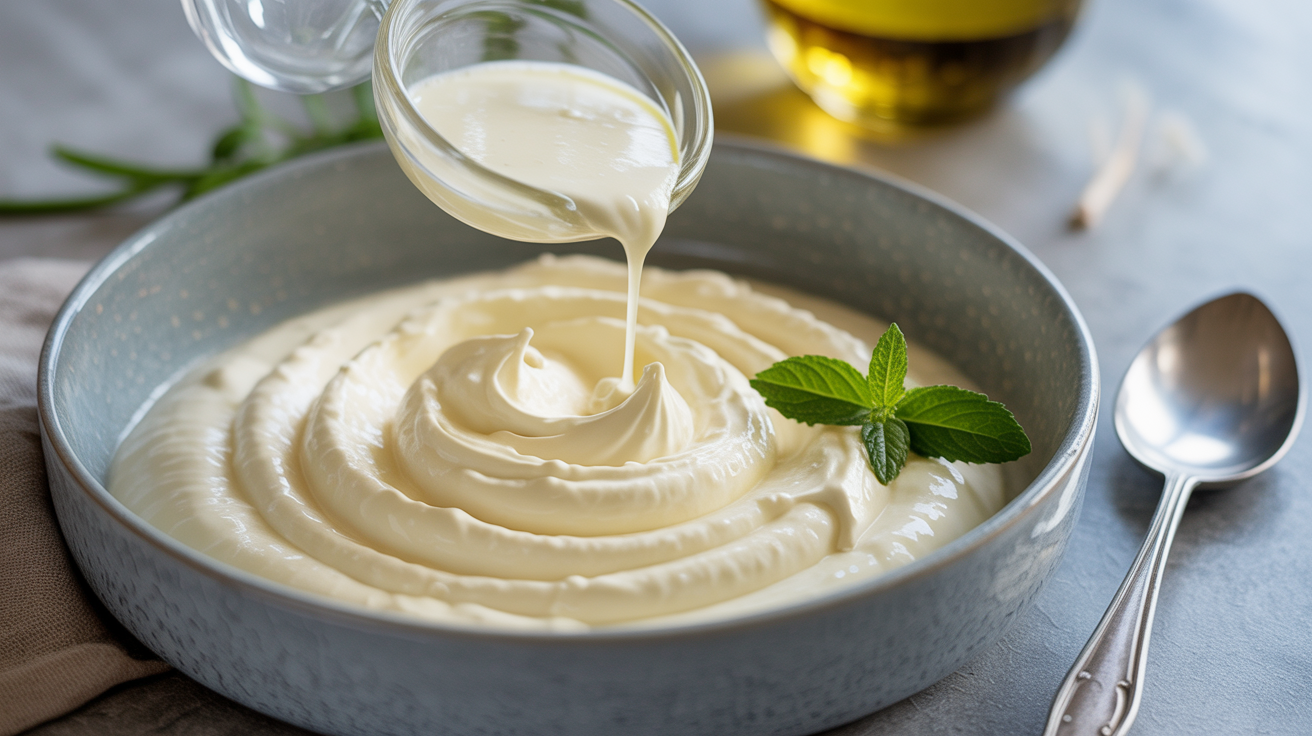
Creme fraiche sits near the top of the "easiest cultured dairy projects" list for a reason. You need two ingredients, a clean jar, and a warm corner of your kitchen. Leave it alone for half a day to a full day, and thick, tangy, spoonable cream shows up. No special cultures to order, no precise timing to hit on the minute.
That said, dairy ferments deserve a little more care than, say, a crock of sauerkraut. The margin for error is narrower, and the consequences of something going wrong are more serious. This guide walks through every step with safety in mind, so you know exactly what to do, what to watch for, and when to trust your results.
What You Need Before You Start
Cream. Use heavy cream or heavy whipping cream with a fat content around 36 percent or higher. Ultra-pasteurized (UHT) cream is technically workable, but it takes longer to set and sometimes produces a thinner result. Standard pasteurized heavy cream is the better choice. Avoid "light" cream, half-and-half, or anything labeled "ultrapasteurized" if you can help it. For more on how fat content affects cultured dairy results, see Best Milk for Making Yogurt and Kefir.
A live culture starter. The cream needs active bacteria to ferment. Cultured buttermilk (the kind sold in grocery store dairy cases, not a powdered mix) works well. Live-culture plain kefir is another good option. Check the label for "live active cultures" before buying. You can also use a spoonful of a previous batch of creme fraiche once you have one going. Do not use pasteurized cream without a live culture starter, and do not use regular sour milk or cream that has simply gone bad.
A clean jar and lid or cover. Wash your jar with hot water and dish soap. You do not need to sterilize it the way you would for canning, but it should be genuinely clean, rinsed well, and free of soap residue. A wide-mouth pint jar works well and gives you a clear view of how the cream is setting.
A thermometer (optional but useful). The target culturing temperature is 70 to 75 degrees F (21 to 24 degrees C). This is typical room temperature in most kitchens during warmer months. If your kitchen runs cooler, the process simply takes longer.
The Ratio and Method
The standard ratio is one tablespoon of cultured buttermilk (or kefir) per cup of heavy cream. For a pint jar, use two cups of cream and two tablespoons of starter.
Pour the cream into your clean jar. Add the starter. Stir gently to combine, then cover the jar loosely. A cloth secured with a rubber band, a loose lid, or a small plate set on top all work. You want airflow but protection from kitchen debris and bugs. Do not seal the jar airtight during the culturing period.
Leave the jar at room temperature, away from direct sunlight, for 12 to 24 hours. The sweet spot is typically 70 to 75 degrees F. At 70 degrees, plan for closer to 24 hours. At 75 degrees, it may be ready in 12 to 14 hours. Temperatures above 80 degrees F speed things up but can produce an off flavor or uneven texture, and they push you into a zone where other bacteria can compete with the ones you want.
Do not stir or move the jar during fermentation. Leave it undisturbed.
How to Tell When Creme Fraiche Has Set
After 12 hours, tilt the jar gently. If the cream moves as a single mass and has pulled slightly away from the sides, it has set. The texture should be noticeably thicker than it started, similar to a softly whipped cream or a loose pudding. It will firm up further in the refrigerator.
If it still moves like liquid after 12 hours, give it another 4 to 6 hours and check again. Some batches take the full 24 hours, especially in cooler kitchens or with ultra-pasteurized cream.
Once it has set, put the lid on and refrigerate immediately. Do not leave it at room temperature past 24 hours even if it has not fully set. At that point, discard it and start a fresh batch rather than risk it.
In the refrigerator, the creme fraiche will continue to thicken slightly over the next several hours. Full texture develops after a few hours of chilling.
Safety Checks and When to Discard
Creme fraiche should smell tangy and clean, close to a cultured cream or mild sour cream scent. It may have a slight effervescent note if kefir was the starter.
Discard the batch if you notice any of the following: visible mold (any color, including white), a putrid or rotten smell rather than a tangy one, sliminess on the surface, or any unusual colors. A very small amount of liquid whey separating at the top or bottom is normal and not a safety concern; stir it back in or pour it off.
If you have any doubt, throw it out. The ingredients are inexpensive, and the risk is not worth it.
Store finished creme fraiche in the refrigerator and use it within 7 to 10 days. Keep it covered. Do not leave it out at room temperature for more than two hours once it is made.
Creme Fraiche vs Sour Cream in Cooking
This difference matters most in hot applications. Sour cream has a lower fat content and a higher protein-to-fat ratio, which means it breaks and curdles when added to soups, sauces, or hot pans. Creme fraiche, with its higher fat content, is stable enough to simmer in a sauce without breaking.
You can stir creme fraiche into a pan sauce at the end of cooking, drizzle it over hot soup, or fold it into mashed potatoes without the grainy texture you sometimes get from lower-fat cultured dairy. This makes it more versatile for savory cooking, not just as a topping.
For cold applications, the two are largely interchangeable. If you enjoy making cultured dairy at home, the same patience and sanitation habits apply to yogurt and kefir. See How to Make Homemade Yogurt: A Complete Beginner's Guide and How to Make Milk Kefir from Grains for those projects.
Frequently Asked Questions
Can I use store-bought sour cream as the starter instead of buttermilk? Yes, as long as it contains live active cultures (check the label). Use the same ratio, one tablespoon per cup of cream. The result will be very similar because the cultures are comparable. Avoid sour cream products that list no live cultures or that have been heat-treated after culturing.
What if my kitchen is colder than 70 degrees F? The fermentation will still work, it just takes longer. In a 65-degree kitchen, the batch might need 24 to 36 hours. You can speed things up by placing the jar in a turned-off oven with just the oven light on, which typically holds around 75 to 80 degrees F, or near a heat vent. Check it at 12-hour intervals rather than leaving it unattended past 24 hours at cooler temperatures.
How long does homemade creme fraiche keep in the refrigerator? Use it within 7 to 10 days. It generally tastes best in the first week. If you see any mold, off smell, or unusual texture before that window, discard it regardless of how many days have passed.
Can I use the finished creme fraiche to start the next batch? Yes. Reserve one to two tablespoons from a fresh batch and use it as the starter for the next one. This works for several generations before the culture weakens and you need a fresh commercial starter to re-inoculate. If a batch using a saved starter takes much longer than usual to set or produces a weaker result, go back to store-bought buttermilk or kefir.
Why is my creme fraiche thinner than store-bought versions? A few things can cause this: ultra-pasteurized cream, a kitchen temperature below 70 degrees, or pulling it from the counter before it fully set. Refrigerating it for several hours also helps it firm up. If it remains very thin after chilling, the batch is still safe to use as a pourable cream but may not have the spoonable texture you were after. Next time, try standard pasteurized heavy cream and give it the full 24 hours if needed.