Cultured Dairy
How to Make Simple Fresh Cheese at Home
Learn how to make cheese at home with three beginner-friendly fresh cheese recipes. Step-by-step, with temperatures, timing, and food-safety tips.
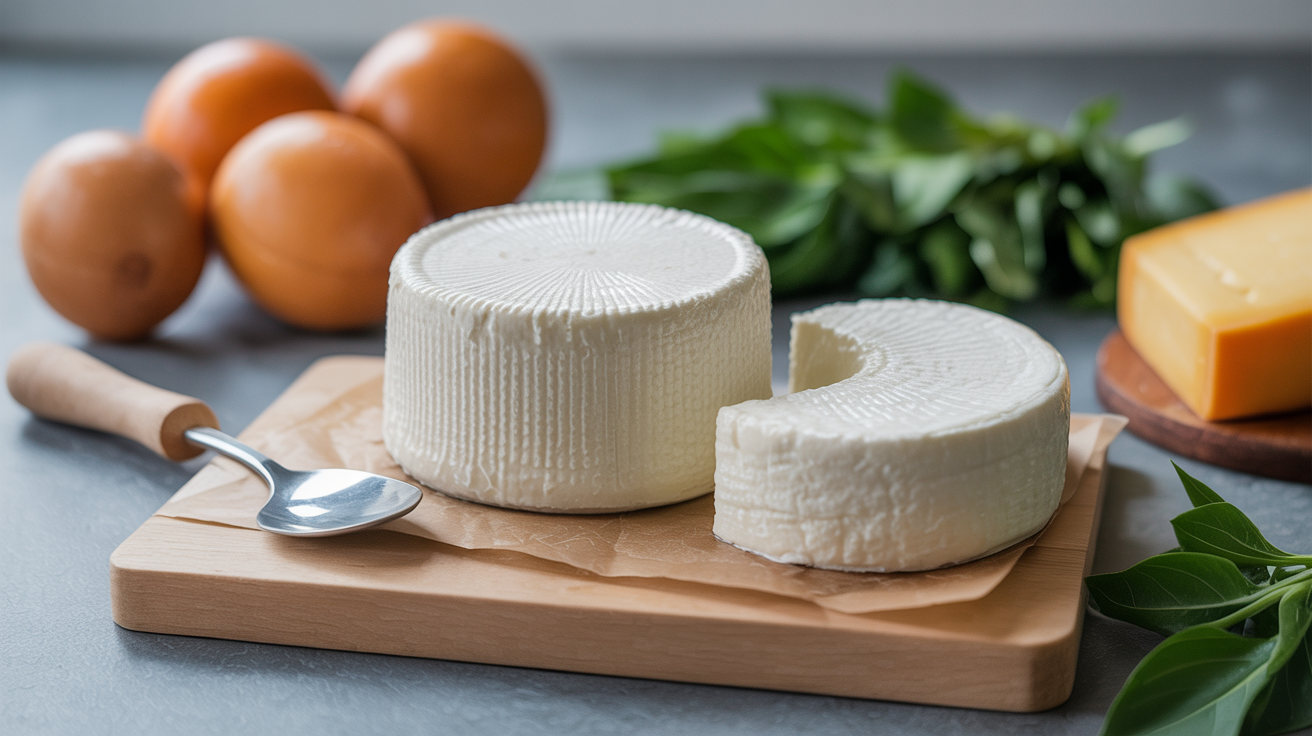
Fresh cheese is one of the most satisfying places to start with beginner cheese making, and the reason is simple: you do not need any special cultures, aging caves, or months of patience. Paneer, ricotta, and farmer cheese all rely on the same principle: add an acid to warm milk, watch the protein curds separate from the watery whey, then drain and salt. From grocery-store milk to finished cheese takes about an hour.
That said, dairy ferments and dairy products do require a bit more care than a jar of sauerkraut. Milk spoils quickly, equipment needs to be genuinely clean (not just rinsed), and finished fresh cheese should go straight into the fridge and be used within a week. This guide walks through the method, the food-safety habits that matter, and three easy homemade cheese recipes you can make on a weeknight.
What You Need Before You Start
Milk. Whole cow's milk works best for all three recipes here. Avoid ultra-pasteurized (UHT) milk; it has been heated so aggressively that the proteins behave differently and the curds will be weak or fail to form at all. The label should say "pasteurized," not "ultra-pasteurized." Raw milk produces good curds but carries elevated food-safety risks; stick with pasteurized milk until you are comfortable with the process.
An acid. White vinegar (5% acidity) or fresh lemon juice both work. Lemon juice adds a mild citrus note; vinegar is more neutral.
A thermometer. An instant-read or clip-on thermometer is important here. Temperature matters for curd formation, and guessing rarely goes well.
A colander and cheesecloth. Line the colander with two or three layers of cheesecloth (or a thin flour-sack towel) set over a large bowl to catch the whey.
Clean equipment. Rinse everything with hot water just before you use it. Any soap residue or old bacteria in your pot can interfere with curd formation or introduce off flavors. If you would not eat from it, clean it again.
The Basic Method: Acid-Set Cheese Step by Step
All three fresh cheeses below follow the same core process. Read through these steps once before starting.
- Pour your milk into a heavy-bottomed pot. Use at least a 3-quart (3-liter) pot to avoid scorching at the edges.
- Heat the milk over medium heat, stirring gently every couple of minutes to keep the bottom from scorching.
- Bring the milk to the target temperature for your recipe (see below). Remove from heat.
- Add your acid slowly, stirring just once or twice. You should see the milk begin to separate into white curds and pale yellowish-green whey almost immediately.
- Let the pot sit undisturbed for 5 to 10 minutes. Do not stir; you want the curds to firm up.
- Ladle or pour the curds and whey through the cheesecloth-lined colander.
- Drain, salt, and finish as directed by your recipe.
Three Beginner-Friendly Fresh Cheese Recipes
Ricotta
Ricotta is the most forgiving fresh cheese to start with. It drains quickly, tastes mild, and works in both savory and sweet dishes.
- Milk: 1 gallon (3.8 liters) whole milk
- Acid: 3 tablespoons white vinegar or lemon juice
- Salt: 1 teaspoon, or to taste
Heat the milk to 185 to 195 F (85 to 90 C), stirring often. At this temperature the milk will be steaming but not boiling. Add the acid, stir once or twice, and let it sit for 5 minutes. The curds will be small and soft. Ladle them gently into the cheesecloth and let them drain for 10 to 20 minutes, depending on how wet or dry you want the final texture. Stir in salt. Use within 5 days, stored in a covered container in the refrigerator.
Paneer
Paneer holds its shape when cooked, which makes it useful for curries and stir-fries. The key difference from ricotta is pressing the curds to remove more moisture.
- Milk: 1 gallon (3.8 liters) whole milk
- Acid: 4 tablespoons white vinegar or lemon juice
- Salt: 1 teaspoon, or to taste (optional for paneer used in cooked dishes)
Heat the milk to 195 F (90 C). Add the acid and stir once. Let it sit for 5 to 10 minutes. Pour through the cheesecloth. Once cool enough to handle, gather the cheesecloth into a bundle, twist the top, and press the bundle under a heavy plate or cutting board for 30 minutes to an hour. The longer you press, the firmer the paneer. Unwrap, cut into cubes, and refrigerate immediately. Use within 5 days.
Farmer Cheese
Farmer cheese sits between ricotta and cream cheese in texture. It is spreadable, slightly tangy, and easy to season with herbs or honey.
- Milk: 1 quart (about 1 liter) whole milk plus 1 cup (240 ml) whole buttermilk
- Acid: 2 tablespoons white vinegar or lemon juice
- Salt: 1/2 teaspoon, or to taste
Combine the milk and buttermilk in a pot. Heat to 175 F (80 C) over medium-low heat, stirring occasionally. Add the vinegar and stir once. Remove from heat and let sit for 10 minutes. Pour through cheesecloth and let drain for 20 to 30 minutes. Transfer to a bowl, stir in salt, and refrigerate. The texture will firm up as it cools. Use within 5 to 7 days.
Food Safety and Storage
Fresh cheese is a low-acid dairy product, which means it can support bacterial growth if mishandled. These habits are not optional:
Refrigerate immediately. Fresh cheese should go into the fridge within two hours of finishing. Do not leave it on the counter to cool overnight.
Use within a week. Most fresh homemade cheeses made with pasteurized milk are good for 5 to 7 days. If it smells sour, looks slimy, or has any visible mold, throw it out. When in doubt, throw it out.
Store in a sealed container. An open bowl in the fridge will pick up other flavors and dry out. A lidded glass container keeps it fresh longer.
Do not reuse the whey without refrigeration. The drained whey is nutritious and can be used in bread or smoothies, but it should also go into the fridge right away and be used within a few days.
Avoid raw milk unless you understand the risk. Raw milk contains beneficial bacteria, but it also sometimes contains pathogens like Salmonella or E. coli. If you are cooking for anyone who is pregnant, elderly, very young, or immunocompromised, use pasteurized milk for all dairy ferments.
If you enjoy making cultured dairy products, a natural next step is homemade yogurt or milk kefir from grains. Both use living cultures rather than acid alone, so they take a bit longer but produce a tangier, more complex result.
Frequently Asked Questions
Why did my milk not form curds? Ultra-pasteurized (UHT) milk is the most common culprit. Check the label and switch to regular pasteurized milk. A second possibility: the milk was not hot enough. If the temperature dropped below 175 F (80 C) when you added the acid, reheat gently and add a small splash more vinegar.
Can I use 2% or skim milk? You can, but the yield will be much lower and the texture will be noticeably grainy and dry. Whole milk produces more curds and a creamier result, which is worth it for beginners learning the process.
How much cheese does a gallon of milk make? A gallon (3.8 liters) of whole milk typically yields about 1.5 to 2 cups of soft fresh cheese, depending on how long you drain it. The rest becomes whey. This is normal and expected.
My fresh cheese tastes too sour or too bland. What went wrong? Sourness usually means too much acid was added, or the milk sat too long after adding the acid. Start with less acid next time and stop stirring as soon as curds form. Blandness means more salt is needed. Salt is the main seasoning in fresh cheese, and it makes a significant difference. Add it gradually and taste as you go.
Can I freeze fresh cheese? Ricotta and farmer cheese can be frozen for up to two months, though the texture will become crumbly after thawing. Paneer freezes reasonably well. Frozen and thawed fresh cheese is better for cooked dishes than for spreading or eating fresh.
The same acid-plus-heat method that makes fresh cheese also applies to cultured dairy troubleshooting. Understanding why milk proteins behave the way they do will help you get consistent results across all of these recipes.