Kombucha & Drinks
How to Make Water Kefir: A Beginner's Guide
Learn how to make water kefir at home with just grains, sugar, and water. Covers the first ferment, keeping grains healthy, and a second ferment for fizz.
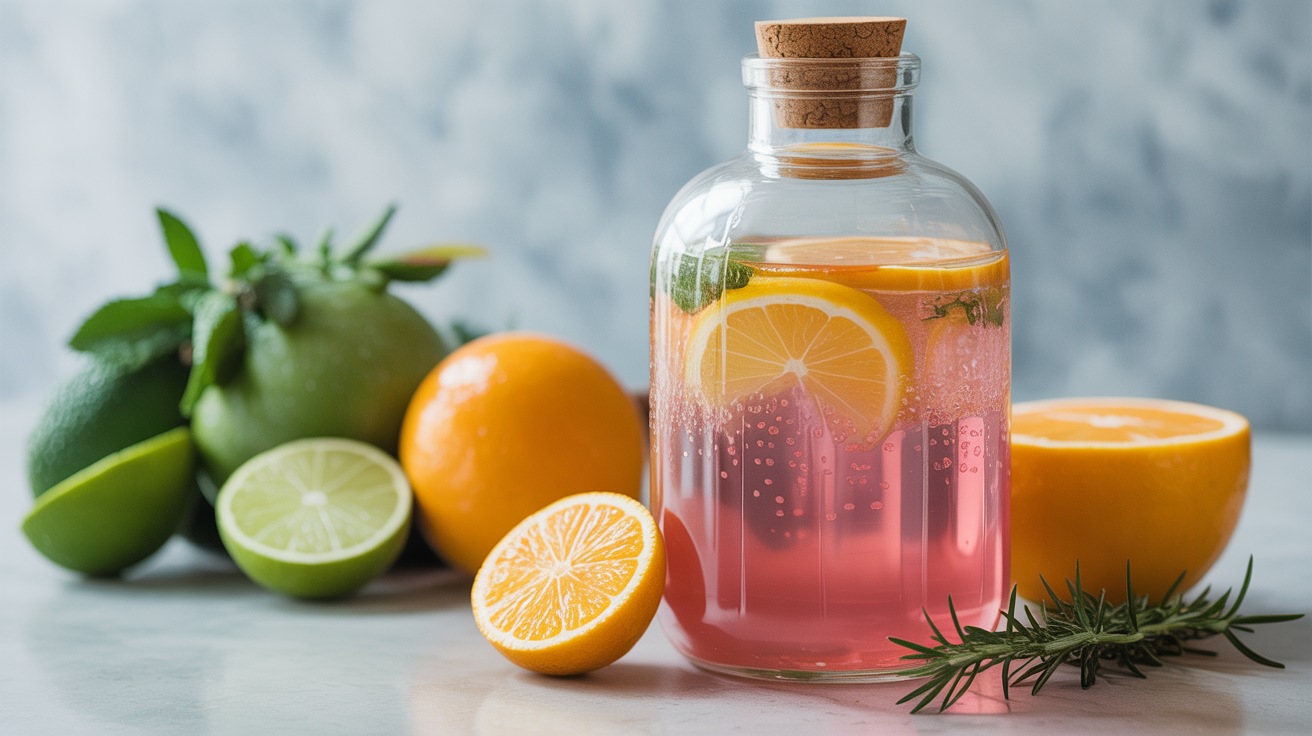
Water kefir is one of the easiest fermented drinks to start with. You dissolve sugar in water, add a small handful of water kefir grains, let the jar sit at room temperature for 24 to 48 hours, then strain out the grains. The result is a lightly tangy, mildly sweet drink. Add a second ferment in a sealed bottle and you get real carbonation.
That's the whole process. Everything below fills in the details so your first batch goes smoothly.
What Are Water Kefir Grains?
Water kefir grains are not grains in the cereal sense. They are small, translucent clusters of bacteria and yeasts held together in a polysaccharide matrix. They look a bit like soft, irregular crystals or tiny chunks of gelatin.
The microbial community inside them ferments sugar into lactic acid, acetic acid, carbon dioxide, and trace amounts of alcohol. The drink comes out mildly fizzy and slightly sour, with a flavor that varies depending on the water, the sugar type, and how long you ferment.
You can buy dehydrated water kefir grains online and rehydrate them over several days, or get fresh, active grains from another fermenter. Fresh grains activate immediately; dehydrated ones may take three to five batches before they hit their stride.
Water kefir grains are not the same as SCOBY used in kombucha. If you want to compare the two, what is a SCOBY and how do you care for one covers the differences.
The First Ferment: Step by Step
What You Need
- 1 quart (4 cups / ~950 ml) filtered or non-chlorinated water
- 3 to 4 tablespoons (about 45 to 60 g) plain white cane sugar
- ¼ cup (about 45 to 60 g by weight) active water kefir grains
- A clean quart-size glass jar
- A breathable cover (cloth, coffee filter, or a loose lid)
- A non-metal strainer (plastic mesh or nylon)
Chlorine in tap water can harm the grains over time. Filtered water or water left uncovered overnight works well. Avoid distilled water, which lacks the trace minerals the grains need.
Steps
- Warm a small amount of water (about ½ cup) to roughly 90°F (32°C). You want it warm enough to dissolve sugar quickly but not hot enough to damage the grains.
- Dissolve the sugar in the warm water and stir until clear.
- Add the remaining cool water to bring the temperature down to room temperature (68 to 78°F / 20 to 26°C). This is important: grains go in at room temperature, not warm.
- Add the water kefir grains (about ¼ cup per quart). Pour them gently into the jar.
- Cover the jar loosely. A breathable cover lets CO2 escape. Do not seal it airtight at this stage.
- Ferment at room temperature for 24 to 48 hours. Taste at 24 hours. A shorter ferment = sweeter; longer = more sour, less residual sugar.
- Strain the liquid into a clean jar or bottles using a non-metal strainer. Metal can leach into the acidic liquid and stress the grains over time.
- Rinse the grains briefly with non-chlorinated water and start the next batch, or store them (see below).
Your first ferment water kefir is now ready to drink as-is, or you can move on to a second ferment for carbonation.
Keeping Your Grains Healthy
Minerals Matter
Water kefir grains need minerals to stay plump and active. Plain white sugar and filtered water can leave them mineral-deficient over time, which shows up as mushy, slimy, or slow grains.
A few ways to keep mineral levels up:
- Add a small pinch (⅛ teaspoon) of unsulphured blackstrap molasses to each batch. It's not enough to change the flavor dramatically, but it provides iron, calcium, and trace minerals.
- Drop in a clean, unrefined mineral like a small piece of clean eggshell or a food-grade calcium carbonate tablet.
- Use mineral-rich water naturally.
You do not need all of these at once. Pick one and see how your grains respond.
What to Avoid
- Metal utensils and strainers. Use plastic, silicone, or wood.
- Chlorinated water. It suppresses microbial activity.
- Antibacterial soap when washing jars. Rinse very thoroughly, or use plain hot water.
- Temperature extremes. Below 65°F fermentation stalls; above 85°F can stress the grains.
Taking a Break
If you need to pause, store the grains in a jar of sugar water (same ratio as your normal batch) in the refrigerator. They go dormant and can stay this way for two to three weeks. When you're ready to resume, give them a batch or two at room temperature before expecting full performance.
Second Ferment: How to Get Carbonation
The first ferment produces some CO2, but most of it escapes through the breathable cover. A second ferment traps that gas inside a sealed bottle, building pressure and giving you a genuinely fizzy drink.
What You Need
- Flip-top (Grolsch-style) glass bottles or other bottles rated for carbonation
- Fruit juice, fresh fruit, or flavoring (optional but helps carbonation and flavor)
Steps
- Pour your strained first-ferment kefir into bottles, leaving about an inch of headspace.
- Add a small amount of juice or fruit. About 2 to 3 tablespoons of juice per 16-ounce bottle is a good starting point. The residual sugar feeds the yeast and produces more CO2 in the sealed bottle.
- Seal the bottles tightly and leave them at room temperature for 1 to 3 days.
- Burp the bottles once or twice a day by opening the cap slightly to release some pressure, then resealing. This is especially important in warmer weather or if you used a lot of fruit.
- Refrigerate when the carbonation level looks right. Cold slows fermentation and holds the fizz. Serve within a week or two.
Pressure caution: Sealed bottles build real pressure, and over-carbonated bottles can burst or eject their contents forcefully when opened. Always burp daily, keep bottles out of direct sunlight, and open them over a sink with the cap pointed away from your face. Plastic bottles are useful for gauging pressure (squeeze them; when they feel firm, they're ready), but glass bottles rated for carbonation are safer for storage. Never use regular mason jars with standard lids for the second ferment.
For more on the mechanics of building carbonation safely, how to carbonate kombucha: the second fermentation covers the same pressure principles in detail.
If you want to compare water kefir to kombucha as your starter ferment, how to make kombucha at home: a beginner's guide walks through the full process.
Frequently Asked Questions
Can I use honey instead of cane sugar?
Raw honey has antimicrobial properties that can harm the grains. Pasteurized honey is safer but still not ideal. Plain white cane sugar is the standard choice because it ferments cleanly and doesn't introduce competing compounds. You can experiment with small amounts of unrefined sugars (sucanat, rapadura, coconut sugar) for flavor and minerals, but stick to mostly white sugar, especially while you're getting started.
My grains are slimy. Is something wrong?
Some sliminess is normal; water kefir grains produce polysaccharides as part of their structure. Excessive, stringy, or off-smelling sliminess usually means a mineral imbalance or temperature stress. Try adding a pinch of molasses or a mineral supplement for a few batches and see if they firm up. If the liquid smells rotten or off rather than pleasantly sour, discard the batch and give the grains a rinse before starting fresh.
How do I know fermentation is happening?
You should see small bubbles clinging to the grains and rising through the liquid within 12 to 24 hours. The liquid will become slightly cloudy and the sweetness will decrease. If nothing is happening after 48 hours, the grains may need more time to activate (especially if they were dehydrated), or the water may contain too much chlorine.
Can I use the grains indefinitely?
Yes. Healthy water kefir grains multiply and can be used indefinitely with proper care. As they grow, you can share the extras, blend them into smoothies, or compost them. There's no set lifespan; some batches of grains have been passed between fermenters for years.
Is water kefir safe for children or people sensitive to alcohol?
Water kefir contains a small amount of alcohol as a natural byproduct of fermentation, typically under 1% ABV in a standard 24 to 48-hour ferment. A longer or warmer ferment can push that higher. For children, pregnant people, or anyone avoiding alcohol, taste and ferment time matter. A shorter first ferment (24 hours, cooler temperatures) keeps alcohol low. If alcohol content is a concern, consult a healthcare provider before making it a regular part of the diet.